
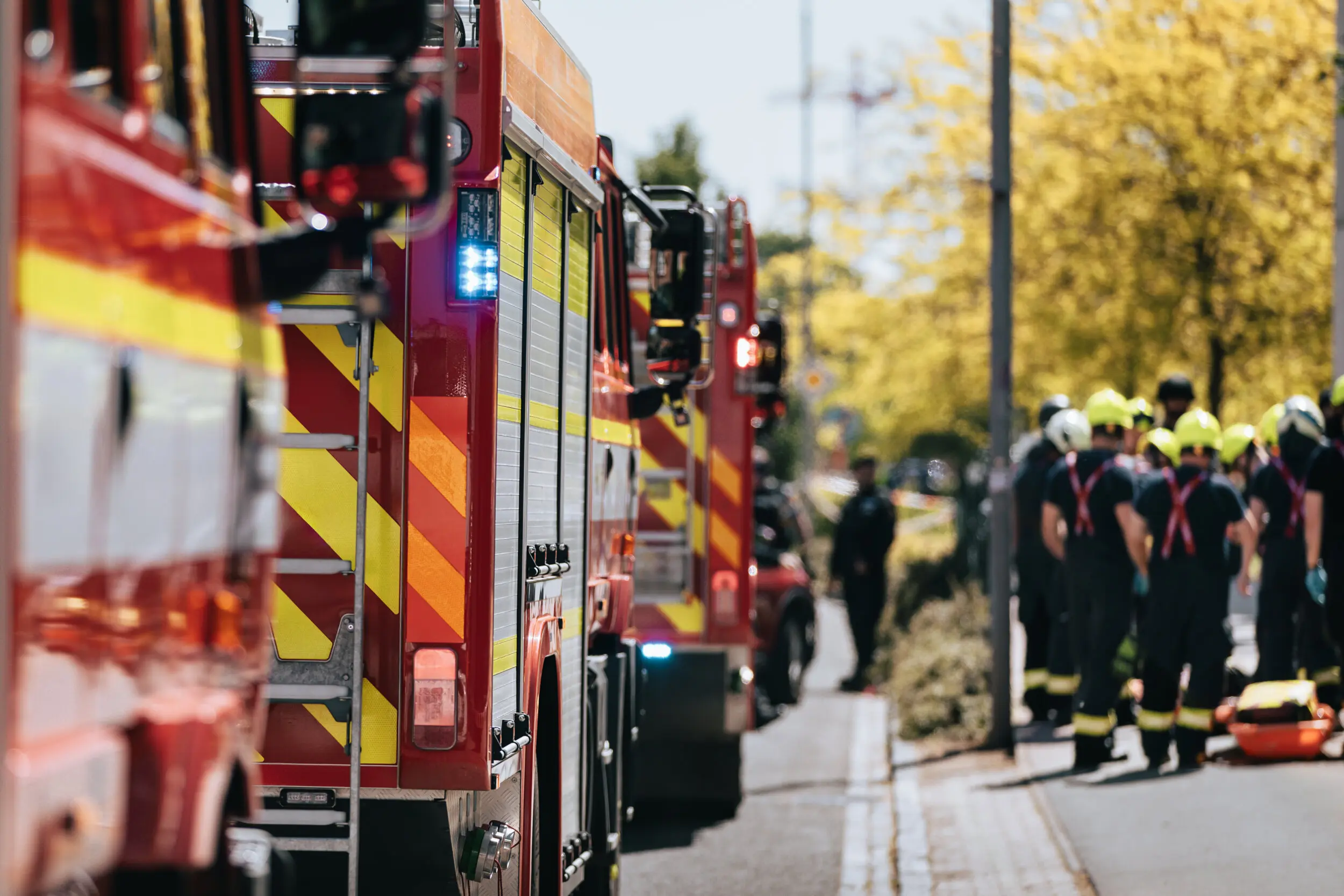
Emergency management has become a core public agency responsibility, not just a function activated during disasters. From severe weather and cyber disruption to public health incidents, infrastructure failures, and complex humanitarian needs, government organizations are expected to respond quickly, coordinate clearly, and recover responsibly. The following insights are designed for public agencies seeking to strengthen preparedness, improve response capabilities, and make emergency management planning more practical, resilient, and actionable.
Understanding Today’s Emergency Management Risks
Public agencies operate in an environment where emergencies are becoming more frequent, interconnected, and visible to the public. A storm may begin as a weather event, but it can quickly create transportation disruptions, utility outages, sheltering needs, public information challenges, and budget pressures. Emergency management today requires leaders to think beyond single-incident response and prepare for cascading impacts across communities.
Climate-related hazards remain a major concern for local, state, and regional agencies. Flooding, extreme heat, wildfires, hurricanes, winter storms, and drought can strain public works, health departments, emergency services, schools, and social service systems. Agencies that understand their local hazard profile are better positioned to prioritize mitigation investments, update response plans, and protect vulnerable populations.
Cybersecurity has also become an emergency management issue. Ransomware, system outages, and data breaches can disrupt 911 operations, permitting systems, public communications, payment platforms, and critical infrastructure. Public agencies should treat cyber incidents as operational emergencies that require coordination between IT, legal, communications, executive leadership, and emergency management teams.
Another growing risk is misinformation during crises. Residents expect timely updates, but inaccurate information can spread quickly through social media, community networks, and informal channels. Public agencies need clear communication protocols, trusted spokespeople, accessible messaging, and methods to reach residents who may not rely on digital platforms.
Workforce constraints add another layer of difficulty. Many agencies face staffing shortages, retirements, limited budgets, and competing priorities. During a disaster, the same employees responsible for daily operations may be asked to support emergency response, public information, logistics, damage assessment, or continuity of operations. This makes cross-training and realistic planning especially important.
The most effective agencies approach risk as a shared responsibility. Emergency management is not limited to one department or office. It involves public safety, public health, transportation, finance, procurement, human resources, technology, elected officials, community organizations, and residents. Understanding today’s risks means recognizing that preparedness must be integrated across the entire public agency ecosystem.
Building Resilient Plans Across Public Agencies
A resilient emergency management plan should be practical, current, and easy to activate. Too often, plans are written to satisfy compliance requirements but are not fully understood by the people expected to use them. Public agencies should focus on developing plans that clearly define roles, decision-making authority, communication pathways, resource needs, and operational priorities.
Interdepartmental coordination is essential. Emergency response can break down when departments plan in isolation or rely on assumptions about what others will do. Agencies should build planning processes that include leadership, operational staff, field personnel, communications teams, finance officers, procurement staff, legal advisors, and community-facing departments.
Continuity of operations planning is especially important for government agencies. Residents still need essential services during emergencies, including public safety response, water and sanitation, permitting, benefits administration, public health support, and information access. Continuity plans should identify essential functions, backup facilities, remote work capabilities, succession plans, technology dependencies, and recovery time objectives.
Public agencies should also plan for equity and accessibility. Emergencies often have the greatest impact on older adults, people with disabilities, low-income households, individuals with limited English proficiency, medically fragile residents, and those without reliable transportation. Resilient plans should include accessible alerts, inclusive sheltering considerations, transportation support, language access, and partnerships with community-based organizations.
Training and exercises help turn plans into real capability. Tabletop exercises, functional drills, full-scale exercises, and department-level workshops allow agencies to test assumptions before a crisis occurs. These activities reveal gaps in staffing, communication, documentation, logistics, leadership coordination, and technology systems that may not be obvious on paper.
Resilient planning should be treated as a cycle, not a one-time project. Plans need regular review, especially after personnel changes, major incidents, new regulations, technology updates, or shifts in community risk. Agencies that maintain planning discipline over time are more likely to respond with confidence when an incident occurs.
Turning After-Action Lessons Into Better Response
After-action reviews are one of the most valuable tools in emergency management, but only when they lead to measurable improvement. Public agencies often conduct reviews after storms, public safety incidents, cyber events, public health responses, major events, or exercises. The challenge is turning observations into specific corrective actions that can be tracked and completed.
An effective after-action process should be honest, structured, and non-punitive. Staff must feel comfortable identifying what did not work without fear that the process will become a blame exercise. The goal is to improve systems, clarify expectations, strengthen coordination, and make future responses more effective.
Agencies should gather input from multiple levels of the organization. Executive leaders may see strategic decision-making challenges, while field staff may identify practical barriers related to equipment, communications, staffing, forms, or resource requests. Community partners and residents may also offer important insight into how well public messages, services, and response actions met real needs.
Corrective actions should be specific and assigned to accountable owners. A vague recommendation such as “improve communications” is difficult to implement. A stronger corrective action might identify who will revise the communications protocol, what approvals are needed, what tools will be used, when training will occur, and how success will be measured.
Documentation is also critical. During an emergency, agencies may need records for reimbursement, legal review, public transparency, operational learning, and grant reporting. After-action findings should include not only what happened but also what decisions were made, what resources were used, what constraints existed, and what improvements are required.
The best agencies build a culture of continuous improvement. They do not wait for major disasters to learn. They review small incidents, planned events, exercises, near misses, and operational disruptions. Over time, this approach creates stronger teams, better procedures, and more reliable emergency management systems.
When to Partner With Emergency Management Experts
Public agencies often have capable internal teams, but emergency management demands can exceed available time, staffing, or specialized expertise. Outside support can be especially helpful when agencies need to update plans, design exercises, conduct risk assessments, improve continuity planning, develop training programs, or manage complex corrective action initiatives.
Consultants can bring structure and an outside perspective to the planning process. Internal teams may already know where challenges exist, but they may need help organizing priorities, facilitating cross-department conversations, benchmarking practices, or translating lessons learned into actionable plans. An experienced partner can help agencies move from discussion to implementation.
Emergency management experts can also support agencies during periods of transition. Leadership changes, organizational restructuring, new regulatory expectations, technology modernization, or recent incidents can all create a need for refreshed planning. A consulting partner can help maintain momentum while internal staff continue managing daily responsibilities.
Public agencies should look for partners who understand the realities of government operations. Emergency management consulting should not be theoretical. It should account for procurement rules, public accountability, interagency coordination, elected leadership, union environments, budget cycles, community expectations, and the operational pressures of serving residents.
The right partner should also help build internal capability rather than simply deliver documents. Strong consulting support includes knowledge transfer, staff engagement, realistic exercises, usable tools, and recommendations that fit the agency’s size, risk profile, and resources. The goal should be a more prepared organization, not just a completed report.
For agencies evaluating outside support, Bear Atlantic offers emergency management consulting services designed to help public organizations strengthen preparedness, response, recovery, and resilience. To learn more, visit Bear Atlantic’s Emergency Management Consulting page.
Emergency management is most effective when it is proactive, collaborative, and continuously improved. Public agencies that understand evolving risks, build resilient plans, learn from real events, and seek expert support when needed are better prepared to protect communities and maintain essential services. In a time of increasing complexity, preparedness is not just a compliance requirement—it is a public trust responsibility.